Who is Varang in Avatar 3? The Fire Na’vi Leader Explained
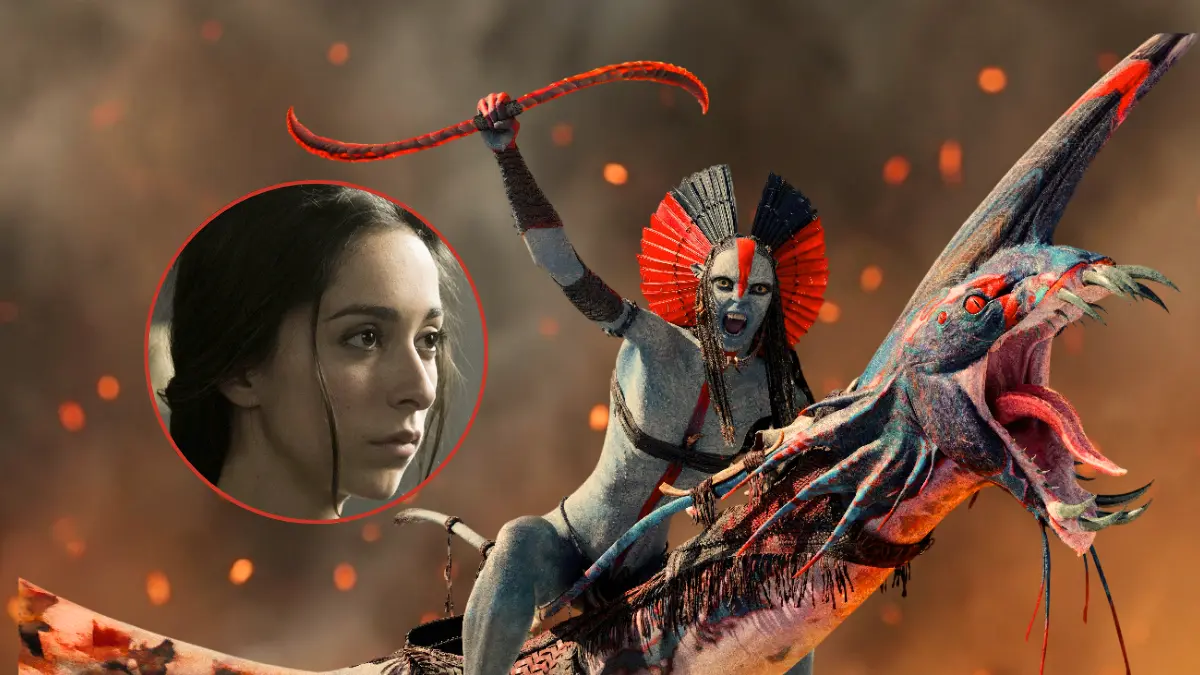
Warning: Major Spoilers Ahead!
Varang isn’t just another villain. She is a warning. For the previous 2 movies, it always been a fact that Eywa protects the balance of life.
We watched the bioluminescent, almost majestical forests light up to shield the innocent. We saw the oceans rise to crush the invaders.
The main theme of Pandora has been that the Great Mother provides for those who faithfully connect with her. But with Avatar 3, James Cameron breaks the formula and forces fans like me to ask a single question.
What happens when Eywa leaves the people behind to burn?
You get Varang.
Who is Varang in Avatar 3?
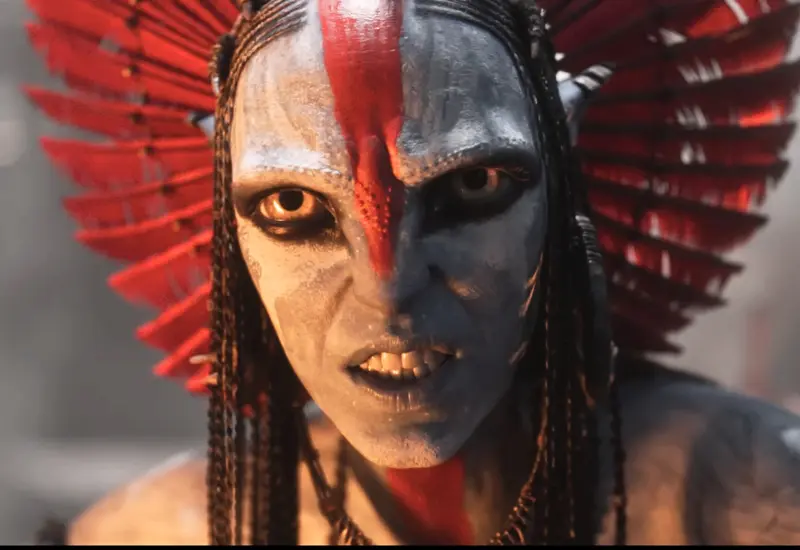
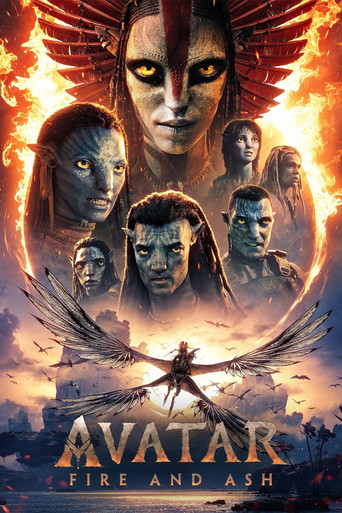
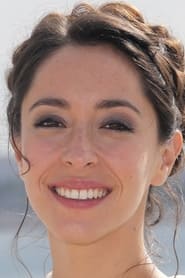
Varang was played by Oona Chaplin (Popular for Game of Thrones’s red wedding), Varang is the ruthless pragmatist leader of the Ash People, previously known as the Mangkwan Clan.
Most casual watchers only expected her to be a simple Red Na’vi working for the RDA’s motives. They were wrong.
She is the first character in the franchise to fundamentally challenge the core philosophy of Pandora. She differs from every main villain who came before her.
She wasn’t trying to conquer the forest for profit like Parker Selfridge. She wasn’t hunting a personal vendetta against a specific soldier like Miles Quaritch.
She wants to punish the goddess who abandoned her clan. In this character analysis and explanation guide, we will analyze exactly who Varang is.
we will uncover her tragic origins, her biological anomalies, and why she stands as the most dangerous threat the Sully family has ever faced.
Varang’s clans origin Why do Ash People Hate Eywa
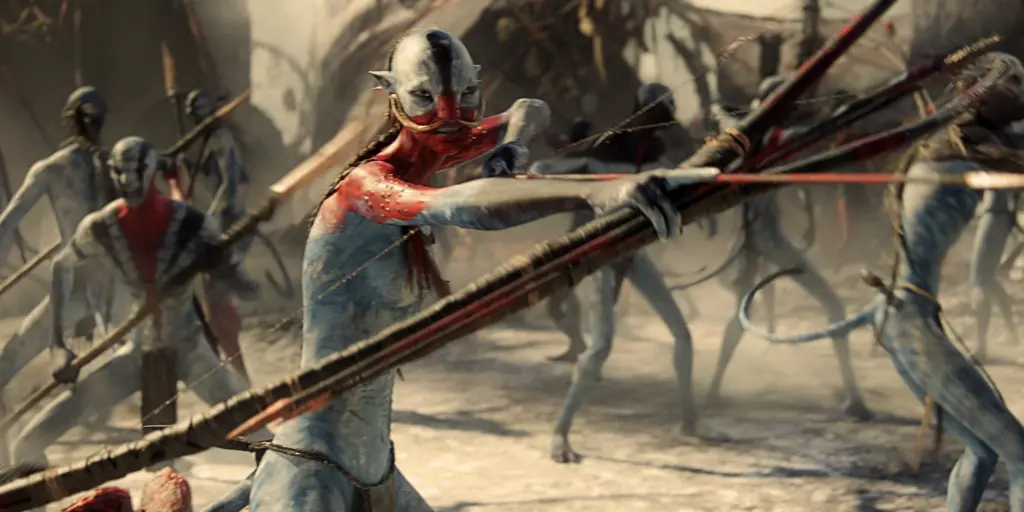
To fully understand the villain’s motives, first you have to understand the trauma that made her so ruthless. The Mangkwan were not previously the hardened, ash covered warriors.
We see in the movie. They were once a forest clan. They lived much like the Omatikaya(the clan from the first movie) .
They wove hammocks, bonded with Ikrans, They worshiped Eywa and respected the delicate balance of their ecosystem. But generations ago, their history was severed by a cataclysmic event.
A massive volcano erupted and destroyed their region. Their Hometree didn’t just fall. It burned down.
In that moment of this apocalypse, the Mangkwan did exactly what any faithful Na’vi clan would do. They gathered at their Tree of Souls.
They connected their queues to the root system and prayed. They begged the Great Mother to turn the lava flows. They asked her to save their home from the fire.
She didn’t.
The miracle, the legends they heared of Eywa saving Na’vi from a coming disaster never happened. The forest clans lived in lush paradises protected by the planetary immune system. The Mangkwan were left to starve in the soot and magma.
This catastrophe created the cultural difference that defines the movie. Varang believes that Eywa plays favorites. She views the Great Balance as a cruel joke. She believes it privileges the weak forest tribes. It lets the strong suffer.
Read More: Why Do Ash People Hate Eywa? The Complete Mangkwan Origin Story
The Violation Of Three Laws and the Dual Leader Threat
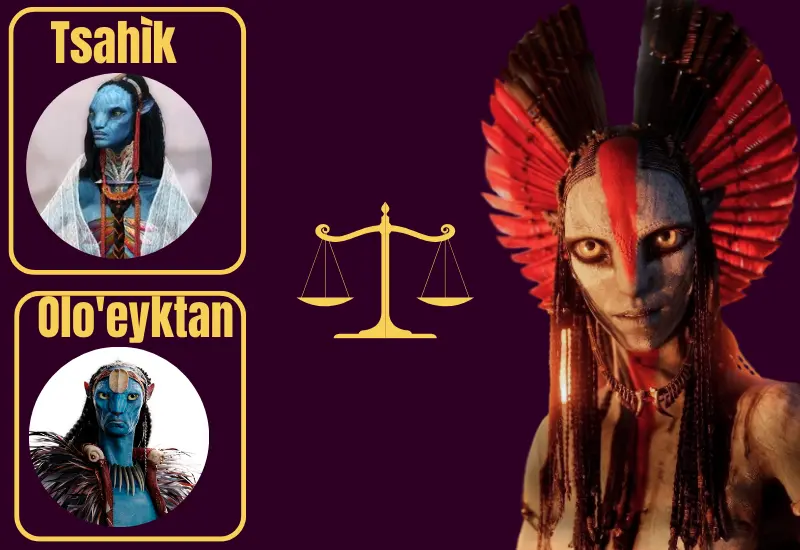
This theological rebellion makes her terrifyingly effective. All the Na’vi clans are supposed to be following the Three Laws of Eywa.
- You shall not set stone upon stone.
- You shall not use the turning wheel.
- You shall not use the metals of the ground.
These laws exist to prevent the Na’vi from becoming like the humans who destroyed Earth. Varang breaks all three. The film reveals that the Ash People use metal weapons scavenged from the RDA. They build stone structures in their volcanic home.
They embrace technology as a means of survival. This violation is led by Varang herself. In traditional Na’vi culture, power is strictly divided. The Olo’eyktan (Military Leader) handles defense and hunting.
The Tsahìk (Spiritual Leader) handles the interpretation of Eywa’s will. This system exists to check aggression with wisdom. Eytukan had Mo’at. Jake has Neytiri.
Varang abolished this foolish system. She holds both titles and authority. She commands the army, controlling the warriors and the tactics. She dictates the truth, interpreting spiritual law to suit her needs.
She tells her people that their suffering is proof of Eywa’s failure. This makes her a dictator. There is no one to check her power.
The most chilling visual evidence of this new order is her jewelry. Throughout the movie, Varang wears a necklace made of severed queues, the neural connectors cut from the heads of her enemies.
In Na’vi culture, the queue is the sacred link to God. She wears them as trophies. She is not just killing her enemies. She is severing their souls from the afterlife.
Biology or Paint? The Ghost Skin Truth
Let’s clear up the biggest misconception that many fans theorized before the premiere. The Ash People do not have biological red skin.
James Cameron cares deeply about biological plausibility. The film shows that Varang and her people are biologically Na’vi Blue. They share the same genetic base as the Sullys. They simply possess a distinct evolutionary adaptation.
Their skin has a slate grey or ash blueish tone. This evolved to blend in with the obsidian and volcanic rock of their harsh environment. It is natural camouflage.
The striking Red appearance is entirely cultural. It is a result of aggressive war paint and ritualistic self modifications.
The Ash People coat their bodies in white and grey volcanic ash. This mimics the appearance of ghosts or the dead. It symbolizes their disconnection from the living, breathing forest.
Over this ash layer, they apply red ochre and black hematite. They paint aggressive markings on their faces and chests to signify their devotion to fire.
The most gruesome detail is the scarification. Kiri and Neytiri have beautiful bioluminescent dots that glow in the dark. Varang does not. She features ritual scarring. These circular brands on her torso and face are a brutal rejection of traditional beauty.
They prove toughness and survival over natural beauty. This visual design tells us the Omatikaya blends in with the leaves. The Metkayina blends with the water. The Ash People blend in with the smoke.
Ska’avum The Nightwraith Mount
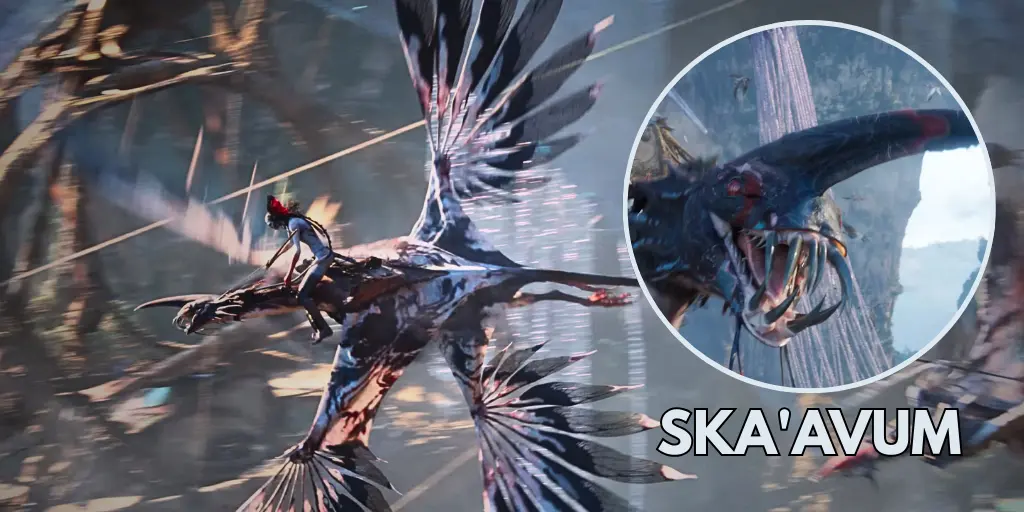
A clan leader in the Na’vi clan is defined by the creature she rides. Jake Sully became Toruk Makto by bonding with the Great Leonopteryx. The Metkayina ride the swift Skimwings. Varang’s mount is equally distinctive. It tells us everything we need to know about her approach to nature.
In the lore, this creature is known as the Nightwraith. It represents a massive departure from the sleek, colorful Ikrans (Banshees) audiences are used to.
As mentioned in Nightwraith Fandom Wiki, this creature is inspired by the Great Western tetrapteron and Luna tetraptero of Pandora’s species. membranous wings instead of bird-like feathers.
The Nightwraith is heavier and uglier than a Banshee. It does not dive gracefully like an Ikran. It is built for thermal soaring. It rides the hot updrafts rising from the lava fields. Its temperament is aggressive and hard to control.
Varang’s relationship with the beast is purely transactional. There was no loving spirit bond here. The Ash People view their mounts as vehicles of war.
They are tools to be used and discarded. This stark contrast emphasizes the Mangkwan philosophy. Nature is not a partner to be respected. It is a resource to be dominated.
Dark Tsahìk Art Of Weaponizing Kuru
While I watched the movie, the Dark Tsahìk art came as a surprise and a little horrifying, if you think about the other Na’vis.
We know the Kuru (the neural queue) is the most holy physical trait of the Na’vi. It is the mechanism for connection.
It allows them to bond with animals. It lets them share memories with the Spirit Tree. It connects them with their mates. It is the supreme act of vulnerability, trust, and something sacred.
Varang weaponizes it.
The film reveals that Varang has mastered a Dark Tsahìk art. This allows her to use her queue for Bio Neural Domination.
She does not synchronize her nervous system with a creature or person to share thoughts. Instead, she sends a violent bio-electric spike through the connection.
In one of the film’s most disturbing scenes, Varang forcibly connects her queue to a restrained victim. There is no magical glow. The victim immediately goes rigid, suffering paralytic convulsions. It inflicts blinding neural pain that forces immediate submission.
To further break their will, she uses a psychoactive volcanic ash powder. She blows this into her victim’s face to induce terrifying visions, making them susceptible to her manipulation.
This ability positions Varang as the antithesis of Kiri. Kiri connects to living things to heal them and listen to them. Varang connects to dominate them and silence them.
The confrontation between these two characters was not just a physical fight. It was a metaphysical battle between Dominion and Connection.
Varang vs. Neytiri
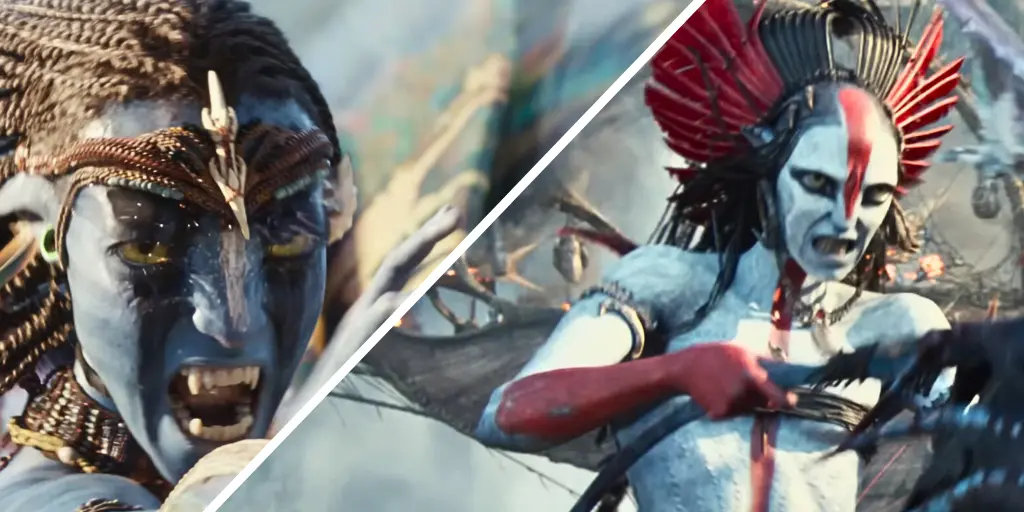
I belive There is a reason Varang felt so dangerous to Neytiri throughout the film. They are essentially the same woman.
The only difference is their reaction to grief. Both are fierce mothers and warriors. Both have lost their homes to catastrophic forces.
Tale of Two Mothers Varang vs. Neytiri
| Feature | Varang (Ash People) | Neytiri (Omatikaya) |
|---|---|---|
| Core Philosophy | Pragmatic Atheism (Fire) | Spiritual Devotion (Eywa) |
| Reaction to Trauma | Rejection & Rage | Grief & Tradition |
| Weapon of Choice | Bio-Neural Domination | The Bow & Arrow |
| Mount | Nightwraith (Thermal Soaring) | Ikran (Agile Diving) |
Neytiri lost her home to the war brought by the Sky People. Her response was to cling harder to tradition. She embraced Eywa and the Old Ways.
Varang lost her home to Nature itself via the volcano. Her response was to reject tradition. She embraced the very fire that destroyed her world.
Varang serves as a living cautionary tale for Neytiri. In Avatar 2, we saw Neytiri becoming harder. She became more hateful toward humans.
She was consumed by the grief of losing Neteyam. Varang represents the final stage of that transformation. She is what happens when you let grief consume you completely until only rage remains.
During their confrontation, the battle was ideological as well as physical. Varang looked Neytiri in the eye. She argued that Eywa is weak. For a grieving mother who feels that the Great Mother failed to protect her son, that was a terrifying argument to hear.
The RDA Alliance With Varang
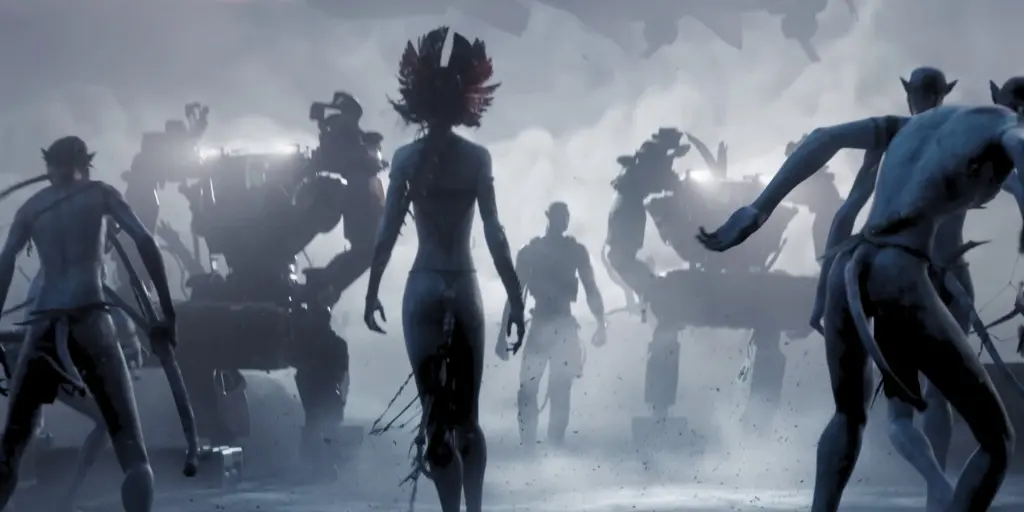
When I watch the trailers, it hints that this new clan is likely working with humans or using them. Finally, the movie answered why a proud Na’vi leader worked with Miles Quaritch.
The alliance was built on a foundation of pure pragmatism. It was about guns.
The Ash People are starving. They live in a wasteland with limited resources. The volcanic soil is dead. They cannot grow food. Quaritch offered them a lifeline. He provided supply lines, food rations, and advanced RDA weaponry.
In exchange, Varang gave Quaritch the one thing he lacked. She gave him intimate knowledge of the terrain. She gave him an army of Na’vi who had no moral qualms about killing their own kind.
It may seem like Varang was doing Quaritch’s bidding. But make no mistake. Varang is not Quaritch’s servant.
The dynamic is one of mutual manipulation. She views humans as a temporary resource. They are a means to an end, just like the fire she worships. The moment Quaritch stops being useful to the survival of the Mangkwan, she will burn him just as readily as she burns her enemies.
In Short Varang Is
Sully and his family belived greddy humans are the threat to their peaceful existence. But it turns out outsiders are not the only threat.
Varang is the shake up the franchise desperately needed. She proves that not all Na’vi are peaceful protectors of the forest. Not all threats come from the sky. She is the fire rising from below. She is coming for everything Jake Sully has built.
More on Avatar 3:
Who are the Wind Traders in Avatar 3? The Tlalim Clan Explained
Why Varang Attacked the Wind Traders In Avatar 3: The Secret History of the Burning Wind
Avatar: Fire and Ash
The world of Pandora will change forever.