Why do Ash People hate Eywa: The “Mangkwan” Origin Story & Lore Explained
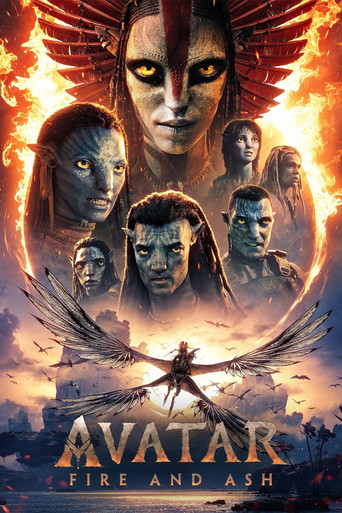
It’s been fifteen years since the first part of Avatar, and since then franchise followed the theme of The Na’vi are the innocent tribe of heroes while the humans are the oppressors or outside villains. The planet Pandora is a paradise where a benevolent goddess named Eywa protects her children. Avatar Fire and Ash breaks this ongoing theme.
Spoiler Warning: This guide contains major plot details from Avatar: Fire and Ash.
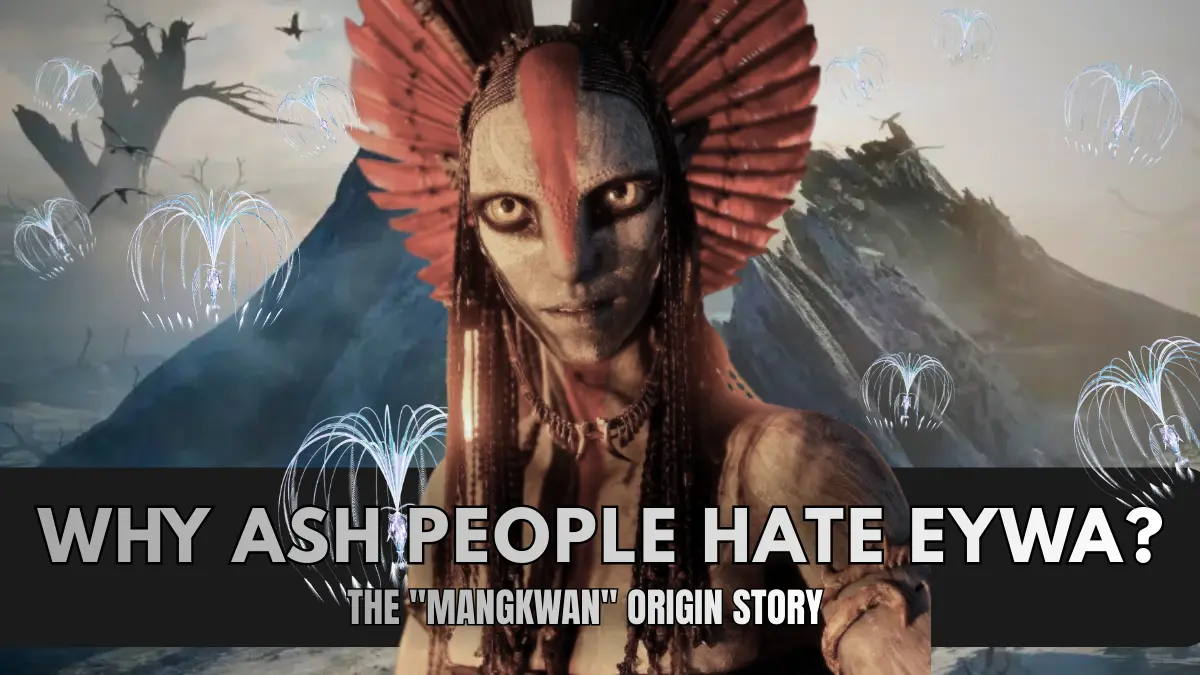
When the film introduces the Mangkwan (The ash People). You immediately doubt that they are not your typical Na’vi that we have seen in previous parts. They seem like a more industrial, angry, and traumatized civilization. They actively hate Eywa (the Great Mother). Their existence forces us to ask a question that Jake Sully never considered. What happens when Eywa fails?
The opening sequence of the film shocks the audience and feeling genuinely shocked by the opening sequence. We are so used to seeing the Na’vi in perfect harmony with nature. Seeing a clan that wants to burn the world down felt wrong, as if the Mangkwan people are not even the same race as the Na’vi.
And you genuinely wonder
Why do Ash People hate Eywa?
But once you understand their history, it will make perfect sense. Our guide breaks down the complete history of the Mangkwan clan. We analyze their tragic origin, the science behind their grey skin, and the reason they believe “fire” is the only god worth serving.
Mangkwan Origin Story – The Silence of the Volcano
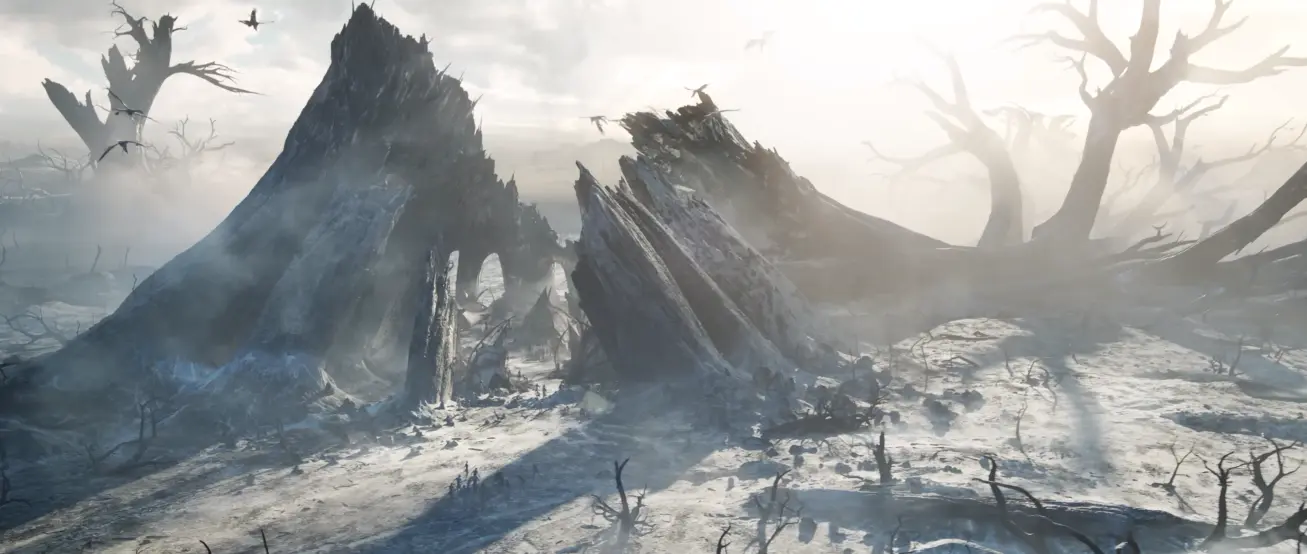
To understand the villainy of the Ash People, you must first understand their grief behind it. They were not always the Ash People.
Centuries ago, the Mangkwan were a normal forest clan. They lived in a biological treasure trove surrounding a massive volcanic caldera. They worshiped Eywa like the Omatikaya(the clan we see in the first movie). They lived in a Hometree (Kelutral). They connected their queues to the Spirit Tree to share memories with their ancestors.
Then the Great Burning came.
A catastrophic volcanic eruption triggered a superheated avalanche that decimated their region. In many Na’vi legends, Eywa intervenes to save her people from disasters. She sends swarms of Viperwolves or banshees to fight off threats. The Mangkwan knew this and expected the same salvation.
That’s why when the lava flowed toward their village, the clan’s faithful elders did not order an evacuation. They ordered prayers. The clan gathered at their Spirit Tree. They connected their neural queues to the roots. They begged the Great Mother to turn the tide and save them from this disaster.
But Eywa did not answer their call.
The Theological Split – Biology vs Geology
This moment created the fundamental split in Mangkwan culture. This is the most significant addition to the lore addition to the lore since the first movie. It adds a layer of realism to the mythology.
Eywa is a biological network. She can control the biosphere. This includes the plants and the animals. But she does not control geology. She cannot stop a tectonic plate from shifting. She cannot cool magma.
The Mangkwan did not understand this scientific distinction. They saw their all powerful goddess stand in silence as their children burned. The lava even consumed their Spirit Tree. It severed their connection to the ancestors.
When the survivors emerged from the ash, they discovered a new reality. They decided that faith is only a weakness. They concluded that Eywa is either powerless to stop the disaster or she simply does not care. They rejected the Balance of Life and adopted a new philosophy. It is Survival of the Strongest.
The Meaning of Txeva? Why They Wear Grey
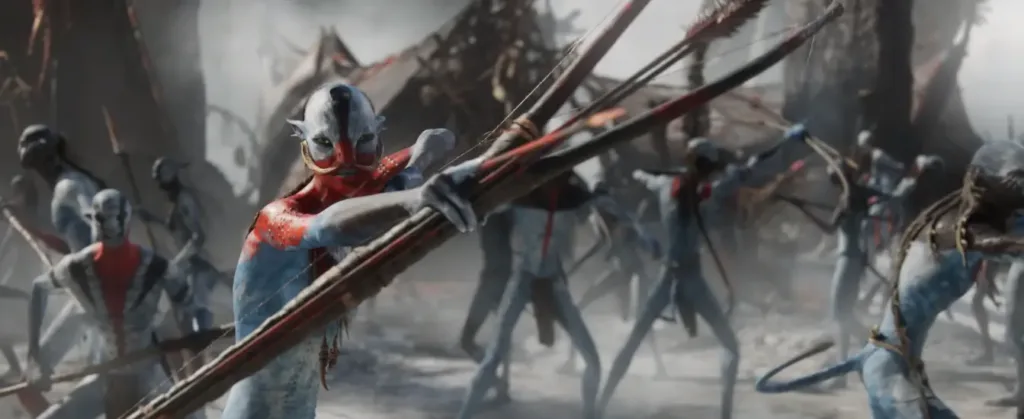
A major point of confusion for audiences is the physical appearance of the Ash People. In the movie, they appear to have grey, cracked skin. Many of us assumed this is a genetic mutation or a new subspecies of Na’vi. but that is incorrect. Underneath the grit, the Mangkwan are blue.
The Ritual of Soot
The grey skin is a layer of volcanic ash, grease, and pulverized charcoal. The Na’vi word for this is Txeva. James Cameron introduced two specific terms to define this culture.
Txep (Fire): The destructive force they admire. Txeva (Ash): The remains left behind.
The Mangkwan refer to themselves as the People of the Ash because they view themselves as the survivors of the fire. They coated their bodies in this dust for two main reasons.
First, it is simply camouflage. The volcanic badlands are a monochrome world of grey rock and black smoke. A bright blue Na’vi would be an easy target. The ash allows them to disappear into the landscape.
Second is mourning. The ash on their skin is literally the dust of their burnt home. They wear the tragedy of their ancestors. It serves as a constant reminder that the world is cruel. They do not wash it off because they do not want to forget the pain. They use that pain as fuel.
James Cameron mentioned in an interview that the name Ash People was inspired from Volcanic eruption in Rabbal, Papua New Guinea. While witnessing children playing in ash fields after a volcanic eruption, contrasted with the trauma of the older generation, inspired the name Ash people and the concept of a traumatized society
Varang – The Queen Who Killed Tradition
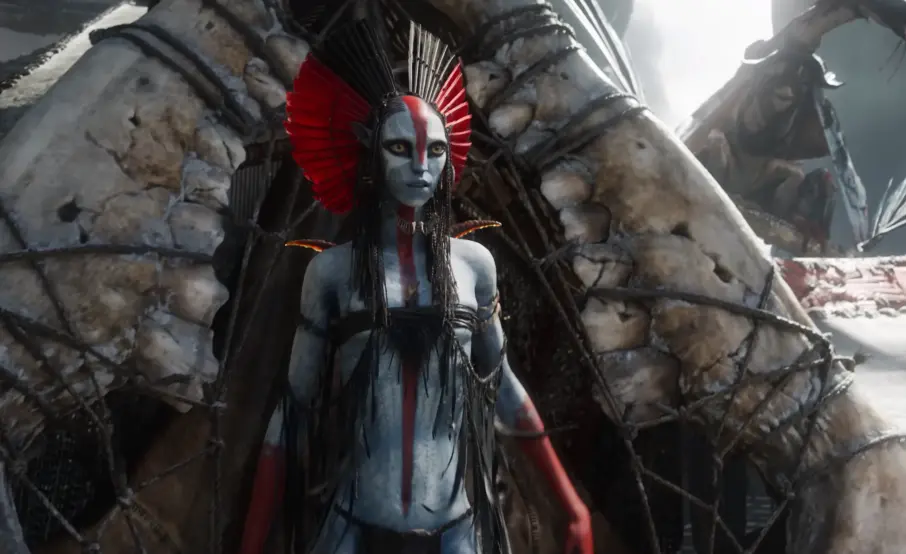
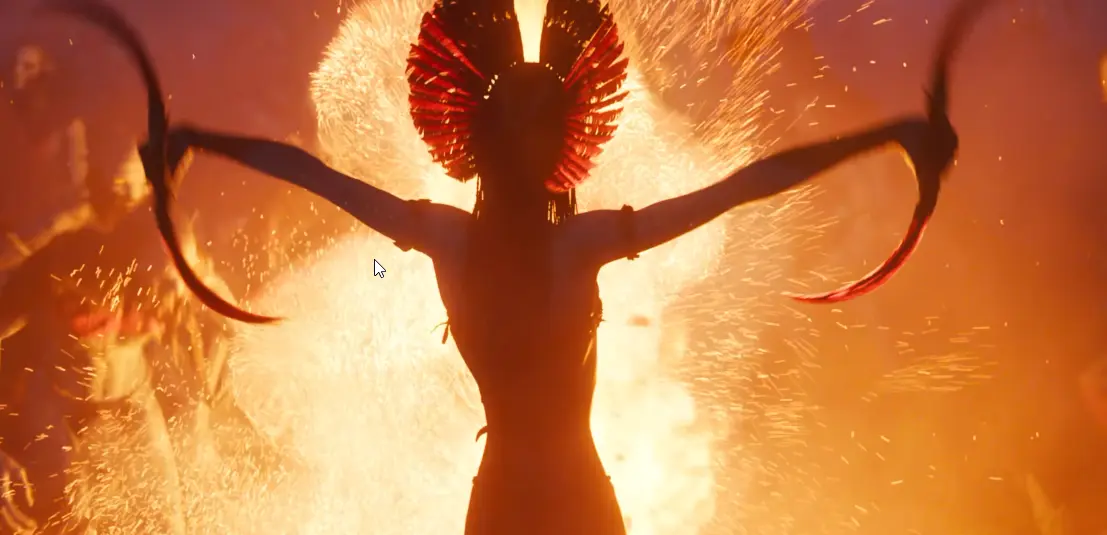
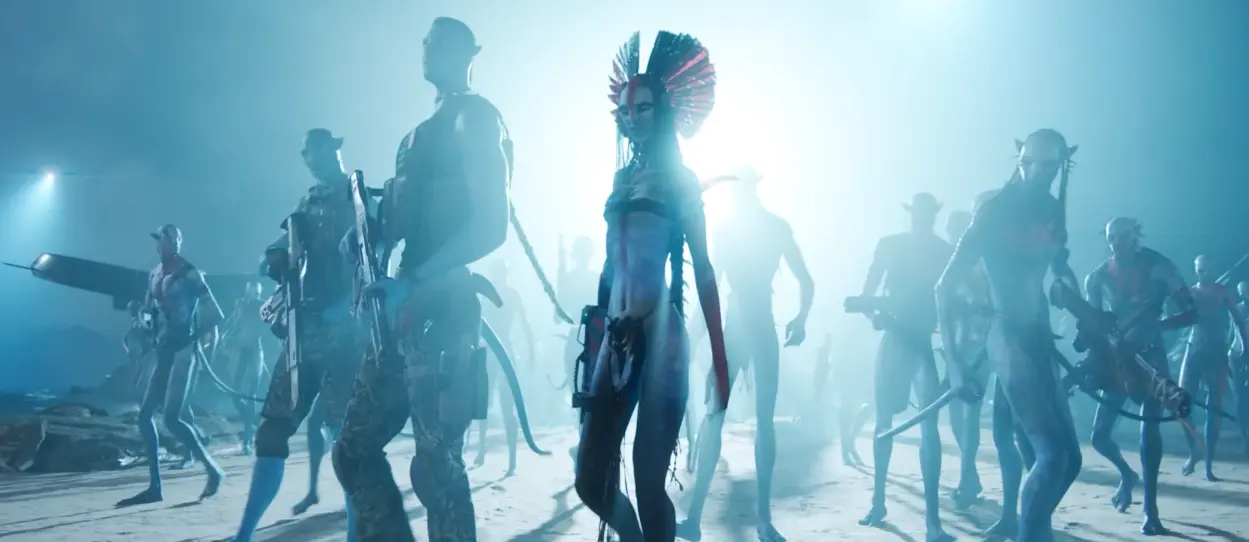
The leader of the Ash People is Varang (played by Oona Chaplin). She is the most complex character the franchise has introduced. She is not a flat villain like General Ardmore. She is a revolutionary who saved her people by destroying their soul.
The Patricide Backstory
Varang took power during a secondary crisis that echoed the original Great Burning. Her father was the clan leader (Olo’eyktan). He was a traditionalist. The clan starved in the barren wastelands. Yet he forbade them from hunting in the forbidden areas or using prohibited technologies. He insisted they pray to Eywa for food.
Varang saw her father’s faith as a foolish suicide pact. At roughly 15 years old, she made a choice. She poisoned her father. This act was not just a political coup. It was a spiritual execution. By killing the leader who followed Eywa, she killed the clan’s connection to the old gods.
She declared that the Mangkwan would no longer wait for miracles. They would take what they needed, not rely on prayers or Eywa’s mercy.
The Serpentine Combat Style
When you watch the movie, you can tell that Varang’s movement reflects her rejection of Na’vi grace. Forest Na’vi move kind of like cats. They are fluid and jumping. But Varang moves like a snake. She stays low to the ground. She strikes with sudden, coiled bursts of energy.
She wields buugeng. This is a set of S shaped, spinning blades. This weapon requires a hypnotic, flowing motion to remain effective. It creates a spinning shield of glass and wood. It is unlike any weapon seen in previous films. It symbolizes her twisted logic. It is beautiful, hypnotic, and deadly.
Read More: Who is Varang in Avatar 3? The Fire Na’vi Leader Explained
The Nightwraith – A Mount Built for Hell
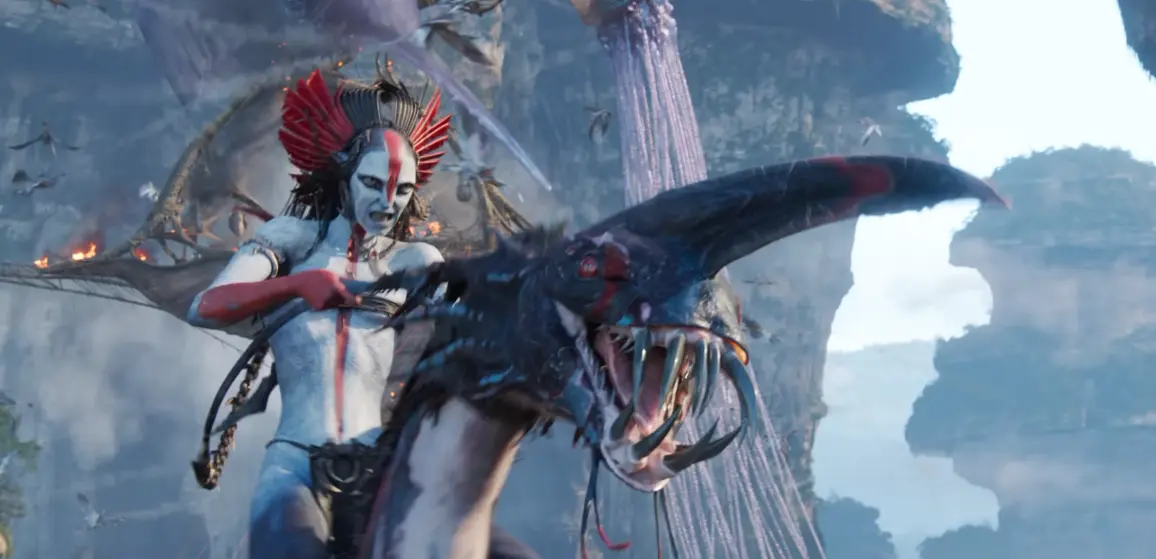
The Forest People ride Ikrans (Banshees). The Water People ride Ilus. The Ash People ride Nightwraiths.
This creature is a perfect example of how the environment shapes the biology. Any normal Ikran would die in the Ash territory. The volcanic vents spew sulfur and thick smoke. The air is hotter and less dense. A regular banshee relies on sight to hunt, but in the smoky area, eyes are useless.
Biological Adaptations
The Nightwraith has evolved to thrive in this hellscape.
Nightwraith uses thermal echolocation. Instead of relying on vision, the Nightwraith senses heat signatures. It sees the body heat of prey through the smoke. This makes it impossible to hide from them in the dark. They lack the vibrant colors of the banshee. Their skin is thick, armored, and dull. it protects them from the abrasive ash particles that whip through the air at high speeds.
They have the shorter wingspan advantage, Long wings are great for soaring over open oceans. They are a liability in tight, jagged lava canyons. The Nightwraith has short, muscular wings for vertical takeoffs and snap turns.
The Abusive Bond
The most disturbing detail is how the Ash People bond with these creatures.
Jake Sully had to earn the respect of his banshee in the first movie. It was a partnership. The Ash People view the bond (Tsaheylu) as a chain. They dominate the mind of the Nightwraith. They force the creature to submit to their will. This mirrors their view of nature. It is not a partner to be respected. It is a beast in slavery.
The Obsidian Age
The Mangkwan have violated the most sacred law of Eywa: You shall not set stone upon stone.
They are the first Na’vi clan to enter into a version of the Iron Age. But they use glass instead of steel. Their territory is rich in Obsidian (volcanic glass).
Why Obsidian is Terrifying
Obsidian is sharper than surgical steel. When it fractures, it breaks down to a single molecule’s edge.
The Ash People construct weapons that resemble the Aztec macuahuitl. These are wooden clubs embedded with prismatic obsidian blades. Against modern body armor, these clubs are blunt instruments. But against other Na’vi, they are devastating.
A strike from an obsidian sword does not just cut. It severs muscle and tendon instantly. The wounds are jagged and difficult to stitch. The Ash People developed these weapons specifically to fight other clans. They are not hunting tools. They are tools of war.
The RDA Alliance
This logic explains why Varang is willing to be an ally with Colonel Quaritch. She does not like the Sky People. She hates them. But she respects their power.
Quaritch offers her flamethrowers and assault rifles. To a traditional Na’vi, a flamethrower is an abomination. It destroys the forest. To Varang, a flamethrower is a gift. It is a portable version of her god, Txep. She accepts the weapons because she believes the end justifies the means.
Ash People vs Wind Traders
With so much new lore, I get why some fans are confusing the Mangkwan with the Tlalim (Wind Traders). eventhough They are completely different groups. As noted by National Geographic’s design breakdown, the Wind Traders are the nomads of the sky. They live on the Medusoids. These are giant, floating jellyfish-like creatures that drift in the stratosphere.
The Wind Traders are colorful, peaceful, and commercial. They move goods between clans. The Ash People are grey, hostile, and isolationist. They stay in the volcanic zones.
The conflict arises when the Ash People attack the Wind Traders. They raid the floating Medusoid cities to steal supplies. This act of piracy drags the peaceful nomads into the war. It shows that the Mangkwan are not just a threat to humans. They are a threat to every Na’vi clan on Pandora.
Why This Villain Arc Works Better Than the RDA
I have written a lot about Avatar over the years. Fan’s problem with the franchise was that the villains were too simple. The humans were just greedy. There was no nuance. The Ash People is the final solution to this problem. They are not evil for the sake of being evil. They are evil because they are hurt and their trust was betrayed.
When Varang looks at Jake Sully, she does not see a hero. She sees a naive child. She sees a fool like her father who still believes that the planet will save him. But she knows the truth. She watched her planet let her family die.
This makes the conflict in Avatar Fire and Ash far more interesting than a simple gunfight. It is a battle of philosophies. Jake Sully believes in Faith. Varang believes in Willpower. And after seeing the devastation of the Volcano Event, it is hard to say she is completely wrong.
Quick Facts Fans Are Asking
Are the Ash People evil?
Not in their own eyes. They are a tragic culture shaped by abandonment. They believe that mercy is for the drowned. They think the only way to survive a cruel world is to become crueler than nature itself.
Why is their skin grey?
It is a layer of Txeva (Ash) and soot used for camouflage and ritual mourning. Underneath, they likely still have blue pigmentation. Their bioluminescence may be scarred over.
Do they worship a different God?
They revere Fire as a purifying force. But they do not worship it in the same way the Omatikaya worship Eywa. They view Fire as a tool to be mastered.
The Future of the Ash People
The Ash People Mangkwan origin story changes the stakes of the entire saga. We can no longer assume that every Na’vi will join Jake Sully’s fight.
The Mangkwan represent the danger of trauma. They were victims of a natural disaster. But instead of healing, they let their grief turn into hatred. They cut themselves off from the planet that gave them life.
As we look toward Avatar 4, the question is not whether the Ash People can be defeated. The question is whether they can be healed. Can Varang be convinced to reconnect with Eywa? Or is the scar on their soul too deep to fix?
Personally, I don’t see Varang as a clear cut villain. She reminds me of Killmonger in Black Panther or even Thanos from the movies. She is someone doing the wrong things for the right reasons. And that makes her far more dangerous than any RDA Colonel.
For now, they remain the most dangerous force on Pandora. The humans want to mine the planet. The Ash People want to see it burn.
More on Avatar 3:
Who are the Wind Traders in Avatar 3? The Tlalim Clan Explained
Why Varang Attacked the Wind Traders In Avatar 3: The Secret History of the Burning Wind
Avatar: Fire and Ash
The world of Pandora will change forever.